How to Measure a Fly Screen
How to Measure a Fly Screen? The Step-by-Step, Most Accurate Method (2026 Guide)
A quality fly screen system is essential for boosting your home's comfort in the summer months and keeping uninvited guests (flies, bees, pests) outside. However, even if you choose the highest-quality material, if the correct fly screen measurement isn't taken, running into installation problems is inevitable. An incorrectly taken measurement causes the fly screen to not close fully or to not fit properly into the window frame.
In this guide, we walk you step by step through the tricks of taking measurements for the most popular hinged, pleated, and pet screen models, suited to Tbilisi's climate and building conditions.
Materials You'll Need When Measuring a Fly Screen
- Steel Tape Measure: Gives the most accurate result down to the millimeter. Avoid using a fabric tape measure or a piece of string.
- Notepad and Pen: Always write down the width and height measurements so you don't mix them up.
- Patience and Precision: Taking measurements to the exact millimeter makes installation easier.
Step-by-Step Fly Screen Measuring Techniques
Although there are many different fly screen models on the market, the logic of measuring is basically made up of two stages: finding the inner clear measurement and adding the model allowance.
Stage 1: Determining the Inner Clear Measurement
Fully open your window or door. You'll see the black or gray gaskets (weather seals) located in the area where the sash closes against the frame. Extend your tape measure from the innermost point of the left-hand seal to the innermost point of the right-hand seal. Note the result as the "Width." Do the same vertically between the top seal and the bottom seal to get the "Height."
Stage 2: Adding an Allowance Based on the Fly Screen Model
The inner measurements you take don't determine where the fly screen's outer frame will sit. That's why you need to add the following allowances depending on the model:
- Hinged Fly Screen: An allowance of +4 cm (2 cm on each side) is added to the inner measurement for both width and height.
- Pleated Fly Screen: In modern pleated systems, it's recommended to add a +5 cm allowance to the inner measurement to account for the profile.
- Sliding Fly Screen: Since allowances for track systems vary depending on profile thickness, it's best to get professional support.
Critical Details for Pet Screen Measurements
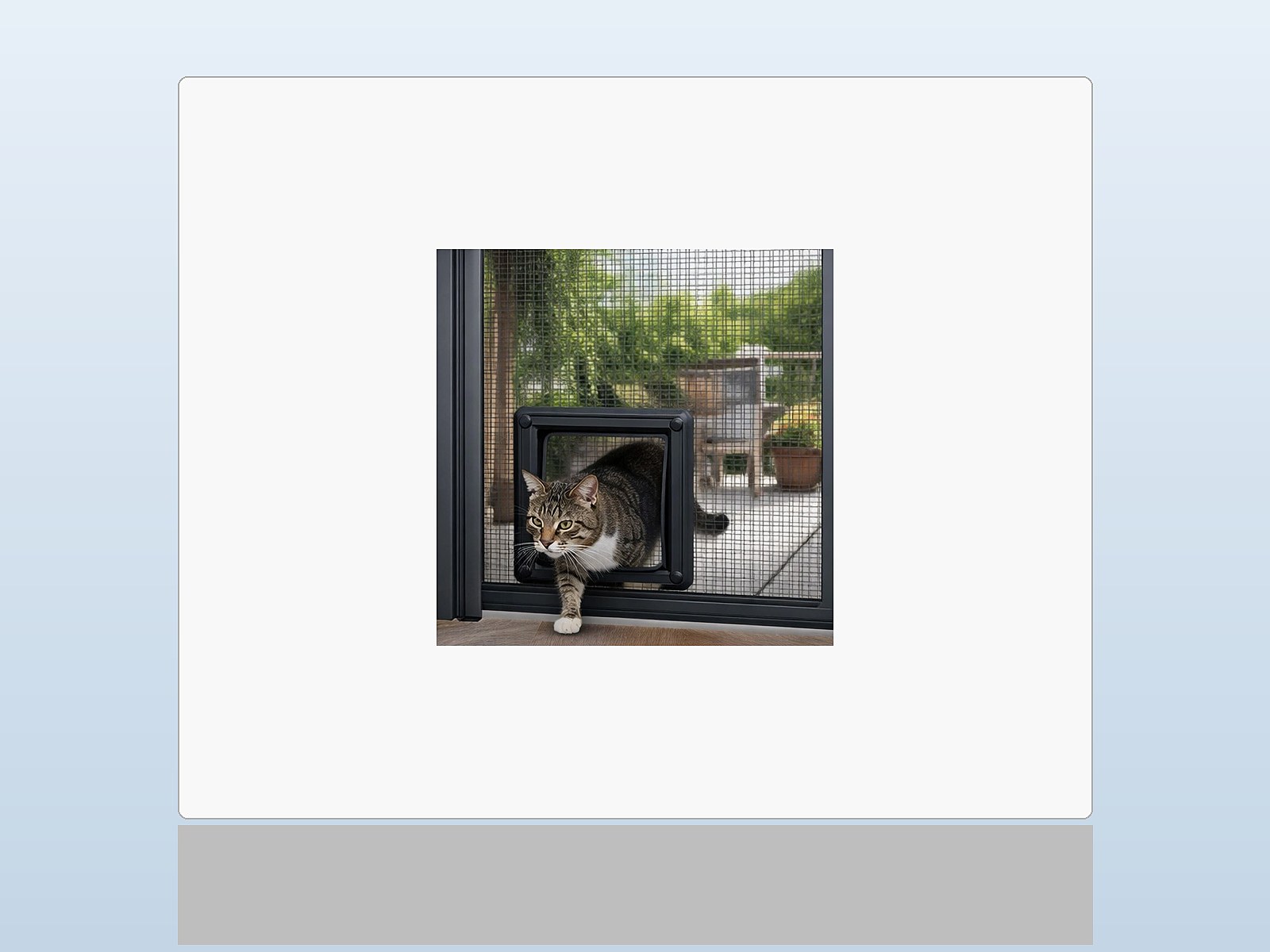
For Tbilisi pet screen needs, durability matters just as much as measurement. Pet screen frames are thicker than standard fly screen frames. If there's a shutter or railing outside your window, you must check whether the 4-5 cm allowance added on the outside will collide with these obstacles. Since a measurement error in steel-wire pet screens can create a safety gap, millimeter precision is essential.
3 Big Mistakes Made When Measuring
- Measuring the Outer Frame: If you measure the very outside of the window, the fly screen will come out too large. Always use the inner clear opening (the seals) as your base.
- Rounding Off Millimeters: For example, writing down a measurement of 64.3 cm as 64 cm will cause the fly screen to leave a gap.
- Not Accounting for Window Handles and Hinges: For inward-opening fly screen models, you need to check whether the window handle will collide with the fly screen.
Professional Measuring and Installation Service
If taking measurements seems complicated, or if you don't want to make a mistake and increase costs, you can get support from our expert team. We offer free site surveys and guaranteed installation service to every district of Tbilisi (Vake, Saburtalo, Vera, Didi Dighomi, Isani).
Contact us for accurate measurements and quality workmanship — don't risk your summer comfort!