How Are Fly Screens Manufactured?
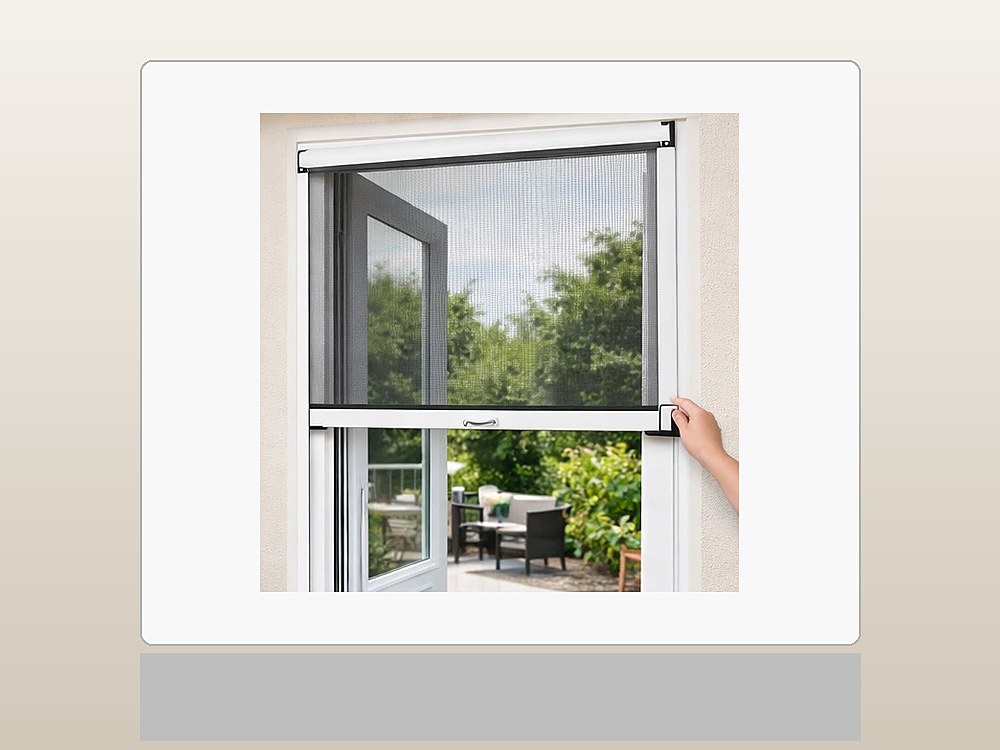
One of the most effective ways to fight off flies, insects, and other pests while keeping our doors and windows open during the summer months is using a fly screen. Fly screen systems provide a comfortable living space in both homes and workplaces. So how are fly screens manufactured? In this article, we'll walk step by step through the production process, the materials used, and the points to pay attention to.
What Is a Fly Screen?
A fly screen is a fine-mesh system installed on window and door openings to prevent pests from entering. It's usually made from durable fiberglass or metal mesh set within an aluminum or PVC frame. It comes in different models such as hinged, sliding, roller, and pleated fly screens.
Stages of Fly Screen Manufacturing
Fly screen production consists of several basic stages. This process includes work supported by both manual craftsmanship and some specialized machinery.
1. Measurement
The first and most critical step in fly screen manufacturing is taking accurate measurements of the window or door opening. Width and height must be measured with millimeter precision, and any curves or protrusions must also be taken into account. Manufacturing to precise measurements ensures the fly screen sits correctly in place.
2. Profile Cutting
The fly screen frame is usually manufactured from aluminum profiles. Based on the measurements taken, these profiles are cut at 45-degree angles using special cutting machines. This cutting method ensures an aesthetic and sturdy joint at the corners.
3. Corner Joining
The cut profiles are joined together using plastic or metal corner connectors to form the frame. The strength of the corner joints is extremely important for the durability of the fly screen.
4. Mesh Stretching
Fly screen mesh is usually made from fiberglass, polyester, or stainless-steel wire. The mesh is placed evenly and taut over the frame. It is then fixed to the frame with a special spline or gasket. Setting the tension correctly is important for both aesthetic appearance and functionality.
5. Adding Installation Accessories
Depending on the fly screen model, accessories such as hinges, magnets, handles, track systems, or roller mechanisms are installed. These parts provide ease of use while ensuring the fly screen operates safely.
6. Final Inspection and Packaging
Once production is complete, the fly screens go through a quality control stage. They are inspected for tears in the mesh, warping in the frame, or assembly errors. They are then carefully packaged and shipped to the installation site.
Points to Watch in Fly Screen Manufacturing
Material Quality: Aluminum profile thickness and mesh material are critical for long-term durability.
Accurate Measurement: Incorrect measurements can render the fly screen non-functional.
Professional Installation: If not installed properly, a fly screen can become deformed in a short time.
Model Selection: The right model (roller, pleated, hinged, etc.) must be chosen based on the intended use.
Tbilisi fly screen manufacturing may look simple, but it's a technical process that demands care and attention. The right materials, meticulous craftsmanship, and precise measurements determine the quality of the fly screen. Whether you want to manufacture your own or get service from a professional company, paying attention to the steps outlined above will help you have a long-lasting and effective fly screen system.